Workforce Development: Industry Groups Can Beat the Poaching Trap

Workforce development matters for industry groups because it secures talent pipelines, raises productivity and underpins regional growth. OECD evidence ties targeted training to measurable wage and output gains, and the World Bank treats it as a core function. Your job is to convene employers, co-design training and measure what changes.
TL;DR:
- Targeted manager and professional training is associated with 8–12% productivity gains per employee; training outside formal education correlates with a 6.2% average wage rise.
- Choose two or three anchor employers with shared skills shortages, agree roles, standards, and costs, then test the program with a small cohort.
- Concentrate training on roles where skills gaps constrain output, favor fewer, deeper courses, and train managers so teams can apply new skills.
- MDRC’s follow up found WorkAdvance can raise earnings and sector employment, but results varied by program and local conditions, so pilot locally before expanding.
- Record baseline measures for participants and a comparison group, then track credentials, retention, output per worker, and employer satisfaction to assess results.
Table of Contents
- How workforce development pays off for employers and regions
- Why industry groups are essential to collective action
- Designing programmes that deliver returns
- Delivery models you can deploy now
- Measuring impact and making the business case
- Why a collective, data-led approach wins
- How Colossus Systems supports your members’ learning
- FAQ
- Sources
How workforce development pays off for employers and regions
The business case rests on returns you can quantify. Productivity follows a similar pattern: targeted training for managers and professionals is associated with gains of 8–12% per employee, a finding Aston University’s research on training and productivity echoes.
Targeted manager and professional training can deliver productivity gains of 8–12% per employee, and non-formal training correlates with a 6.2% average wage rise (OECD). For your members, that is a return worth presenting in plain terms.
The gains are not only financial. Members who invest in people tend to see:
- A visible development path may help support staff retention.
- Better-skilled teams may be more prepared to adopt new methods.
- Shared standards may help smaller suppliers strengthen their capabilities.
- A stronger employer brand may help attract applicants.
Regional economies benefit when these effects compound across many firms at once.
Why industry groups are essential to collective action
A single employer often hesitates to train because a competitor may hire the graduate. That poaching fear, plus system complexity and weak coordination, holds back investment, as the Industrial Strategy Advisory Council finds. It recommends stronger sector and local partnerships, employer-led consortia and anchor employers who pull their supply chains into training.
Industry groups are well placed to fix this. Chambers and professional bodies can act as representative employer bodies, synthesising what a sector needs, and Skills England guidance on employer engagement recommends data-informed conversations and co-created objectives. Tripartite forums that bring employers, education providers and government together serve the same purpose.
To start a consortium, work through these steps in order:
- Identify two or three anchor employers with clear, shared skills shortages.
- Co-design the scope with them, agreeing target roles, standards and cost sharing.
- Pilot shared delivery with a small cohort before inviting wider membership.
For specialist content such as language skills, you can also broker providers, for instance corporate Mandarin training, so members buy as a group.
Designing programmes that deliver returns
Evidence favours intensity over breadth. Spreading a thin course across everyone rarely moves output, whereas concentrated training for professional and technical roles is where the productivity figures above emerge. Put your commissioning effort where the payoff is largest.
Practical design rules:
- Target roles where a skills gap directly limits output or growth.
- Choose fewer, deeper courses rather than short modules for the whole workforce.
- Adopt skills-first practices, judging demonstrable competence over degree filters. The OECD’s skills-first work says this reduces information gaps and widens the talent pool.
- Use micro-credentials so learners can stack recognised achievements, an approach Skills England’s annual report also supports.
Manager training and staff training work best together. Managers can influence whether new skills are used, so including them in training may help make the most of staff investment.
Pro Tip: Train managers first, then roll out technical upskilling to their teams, so the people who direct the work are ready to apply what staff have learnt.
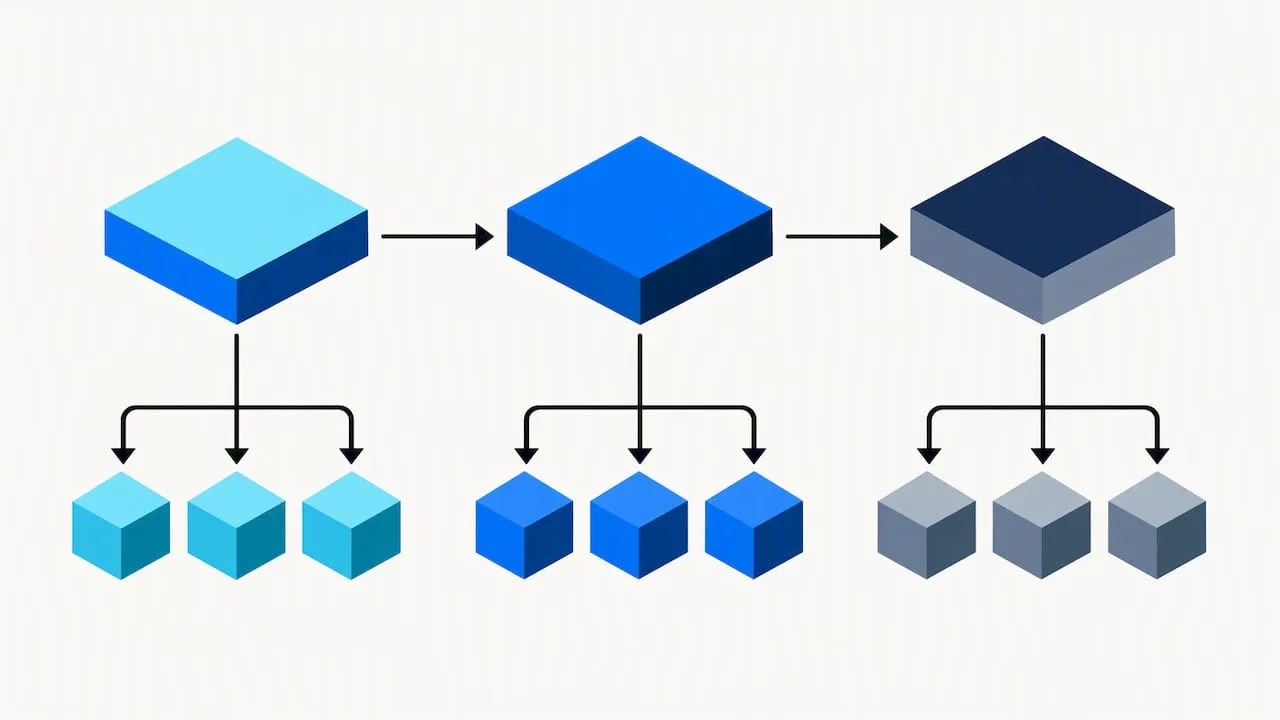
Delivery models you can deploy now
Sector-focused programmes have the longest evidence trail. MDRC’s ten-year follow-up of the WorkAdvance model found it can lift earnings and sector employment for participants, though results vary by programme and local conditions. Treat it as promising, not automatic.
For smaller members, pooled approaches spread cost and risk:
- Shared curricula agreed once and reused across member firms.
- Levy transfers, where larger employers pass unused funds to suppliers.
- Open-access training hubs that any member can book into.
- Virtual cohorts, so staff in different locations learn together.
Digital tooling makes this manageable: virtual training, learner portals and simple skills dashboards. Our own notes on virtual training delivery and on building community partnerships cover the practicalities.
Measuring impact and making the business case
Members fund what they can see working, so agree your indicators before the first session. Useful measures include placement and retention rates, credential attainment, output per worker as a productivity proxy, employer satisfaction and a simple return-on-investment estimate.
Short pilots with a comparison group let you separate your programme’s effect from general trends. When you present the case, you can borrow the benchmark ranges from the research above as illustrations, while being clear they are not your own results.
The OECD links non-formal training to a 6.2% average wage increase, a benchmark you can set beside your own pilot data (OECD).
A minimal evaluation plan looks like this:
- Record a baseline for participants and a comparison group before training starts.
- Capture short-term outcomes such as completion, credentials and manager feedback.
- Follow up later for retention, output and employer satisfaction.
Why a collective, data-led approach wins
I have come to believe the weak point in most skills efforts is not money but coordination. Individual firms can see the shortage; only a trusted group can turn it into a shared plan that every member can afford. The groups that do this well treat data as a habit, not a report, and use ordinary tools such as member management, virtual training and learner portals to keep everyone aligned. Start small, prove one result, then widen it.
— Rob
How Colossus Systems supports your members’ learning
We built Colossus Systems for membership organisations that want to turn plans like these into daily practice. Our platform brings membership management, virtual training, CRM, e-commerce and analytics into one place, so learner records and employer contacts sit together instead of in separate spreadsheets. The platform is designed to support administrative work, online cohorts and reporting. It sits alongside your sector programmes rather than replacing them. See our plans and pricing or contact us.

FAQ
What are the main benefits of workforce development?
It strengthens talent pipelines, raises productivity and supports regional growth. Research links targeted training to productivity gains of 8–12% per employee, while workforce development may also support retention.
Why should industry groups lead workforce development?
Individual employers fear losing trained staff to rivals, so they under-invest alone. A group can pool cost, share standards and coordinate action, which is the role the Industrial Strategy Advisory Council highlights for sector partnerships.
What is another way to say workforce development?
Common alternatives are skills development, workforce training and talent development. The World Bank describes it as serving both individual employment and employers’ needs.
What is the main goal of employee development?
The aim is to build the skills people need to perform well now and adapt later. Done well, it benefits the employee through progression and the employer through stronger output.
Sources
- Skills at work: New evidence on returns to skills and training: OECD Employment Outlook 2026 | OECD
- Worldbank
- Industrial Strategy Advisory Council: increasing employer investment in skills