Wellness Programmes in Schools: Enhancing Student Wellbeing
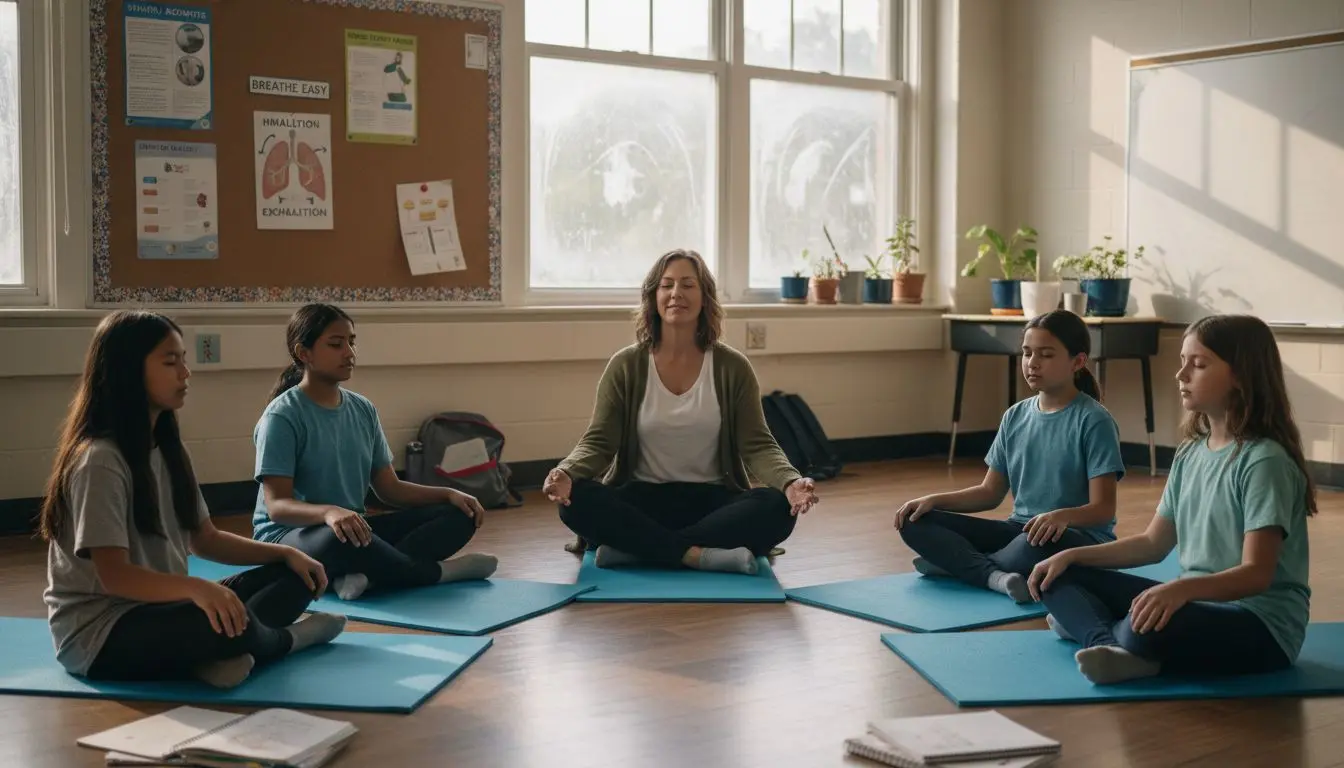
Over one third of British students report experiencing stress or health issues during their school years. That reality underscores why wellness programmes within schools are gaining more attention than ever. With growing awareness of how physical, emotional, and mental wellbeing drives academic progress, this guide explores what effective wellness strategies look like, how they promote student achievement, and what core elements make British programmes successful.
Table of Contents
- Defining School Wellness Programmes And Core Goals
- Types Of Wellness Initiatives In School Settings
- Key Components And Delivery Methods Explained
- Legal, Policy, And Safeguarding Requirements
- Costs, Funding Models, And Implementation Barriers
Key Takeaways
| Point | Details |
|---|---|
| Holistic Approach | School wellness programmes must support physical, mental, and emotional health, recognising their interconnectedness for student success. |
| Comprehensive Needs Assessment | Engaging students, parents, and educators in developing wellness strategies ensures relevance and responsiveness to community needs. |
| Integrated Delivery | Effective programmes incorporate health education, extracurricular activities, and community involvement within existing educational structures. |
| Diverse Funding Strategies | Schools should explore various funding sources, including grants and partnerships, to enhance programme sustainability and effectiveness. |
Defining School Wellness Programmes and Core Goals
School wellness programmes represent comprehensive strategies designed to support the holistic health and development of students. At their core, these initiatives aim to create supportive educational environments that nurture physical, mental, and emotional wellbeing. Health-promoting schools go beyond traditional academic instruction, recognising that student success depends on more than academic achievement.
The World Health Organization provides a comprehensive framework for understanding these programmes. Schools implementing robust wellness strategies focus on multiple interconnected dimensions: physical health, mental resilience, social-emotional learning, and creating nurturing institutional cultures. These programmes typically encompass health education, physical activity opportunities, nutrition support, mental health resources, and strategies to build positive interpersonal relationships among students and staff.
Critical goals of school wellness programmes include reducing health risks, promoting preventative behaviours, and developing students’ capacity for self-care and emotional regulation. European educational frameworks emphasise that these initiatives should address the wellbeing of both students and educators, creating a holistic ecosystem of support that recognises the interconnected nature of learning and personal development.
Pro Tip - Wellness Strategy Development: When designing school wellness programmes, conduct comprehensive needs assessments that involve students, parents, and educators to ensure the initiatives are truly responsive to the specific context and requirements of the school community.
Types of Wellness Initiatives in School Settings
School wellness initiatives encompass a broad range of strategic programmes designed to support students’ holistic development. Physical education programmes represent one of the most fundamental approaches, focusing on developing students’ physical fitness, motor skills, and health awareness through structured sports and exercise activities.
Beyond physical health, schools are increasingly implementing social-emotional learning (SEL) programmes that address mental and psychological wellbeing. Social-emotional learning interventions aim to cultivate essential skills such as empathy, emotional regulation, interpersonal communication, and resilience. These initiatives have demonstrated significant potential in improving academic performance, reducing behavioural challenges, and supporting students’ long-term psychological development.
Other critical wellness initiatives include mental health support services, nutrition programmes, mindfulness training, and comprehensive health education curricula. These multifaceted approaches recognise that student wellness is a complex, interconnected system requiring holistic strategies. By integrating physical, psychological, and social support mechanisms, schools can create environments that nurture students’ overall growth and potential.
The following table summarises how different types of school wellness initiatives uniquely support student development:
| Initiative Type | Focus Area | Key Benefit |
|---|---|---|
| Physical Education | Physical health | Builds fitness and health |
| Social-Emotional Learning | Emotional intelligence | Fosters empathy, resilience |
| Nutrition Programmes | Diet and nutrition | Improves energy and focus |
| Mental Health Services | Psychological wellbeing | Supports positive mindset |
| Mindfulness Training | Stress management | Enhances emotional control |
Pro Tip - Wellness Programme Implementation: Conduct regular assessment and feedback mechanisms to ensure wellness initiatives remain responsive to students’ evolving needs and effectively address the specific challenges within your educational community.
Key Components and Delivery Methods Explained
The FRESH framework provides a comprehensive blueprint for understanding the essential components of effective school wellness programmes. These key components encompass multifaceted strategies that address students’ holistic health needs through integrated approaches, ranging from policy development to direct service delivery.

School wellness programmes typically incorporate several core delivery methods. Health education remains a fundamental component, focusing on developing students’ knowledge and skills related to personal wellbeing. Comprehensive school health initiatives emphasise structured learning experiences that cover nutrition, physical activity, mental health awareness, and personal hygiene. These programmes often utilise interactive teaching methods, including group discussions, practical demonstrations, peer education, and experiential learning techniques.
Delivery mechanisms vary across educational settings but generally include classroom-based instruction, extracurricular activities, dedicated wellness workshops, health screenings, and personalised support services. Schools increasingly adopt a whole-school approach, integrating wellness considerations into curriculum design, institutional policies, physical environment, and community engagement strategies. This holistic model ensures that wellness is not treated as an isolated intervention but as a comprehensive ecosystem supporting student development.
Pro Tip - Programme Integration Strategy: Design wellness initiatives that seamlessly blend into existing educational structures, ensuring sustainable implementation and long-term student engagement by creating meaningful, contextually relevant learning experiences.
Legal, Policy, and Safeguarding Requirements
School wellness policy guidelines establish critical legal frameworks that protect students’ physical, mental, and emotional wellbeing. These comprehensive regulations mandate specific standards for educational institutions to create safe, supportive environments that prioritise student health and development across multiple dimensions.
The legal requirements for school wellness programmes encompass several key areas, including student protection, data privacy, health monitoring, and intervention protocols. Safeguarding policies require schools to implement robust mechanisms for identifying and addressing potential risks, ensuring comprehensive support systems that protect students from physical, emotional, and psychological harm. European educational frameworks emphasise the importance of developing holistic policies that integrate legal compliance with student-centred care approaches.
Critical legal considerations include mandatory reporting procedures, consent mechanisms for health interventions, confidentiality protocols, and clear guidelines for managing sensitive student information. Schools must develop transparent processes that balance legal requirements with students’ rights to privacy and dignity. This involves creating comprehensive documentation systems, establishing clear communication channels with parents and guardians, and ensuring that all wellness programme interventions are conducted with informed consent and professional oversight.
Pro Tip - Policy Development Strategy: Regularly review and update wellness programme policies to ensure they remain aligned with current legal standards, incorporating input from legal experts, educational professionals, and student welfare specialists.
Costs, Funding Models, and Implementation Barriers
Local school wellness policy development involves complex financial considerations that significantly impact programme sustainability and effectiveness. Schools must navigate intricate funding landscapes, balancing limited financial resources with comprehensive wellness objectives that address student health holistically.
Multiple funding models exist for supporting school wellness initiatives, including government grants, philanthropic contributions, institutional budgets, and collaborative partnerships with community organisations. Budget allocation strategies require strategic planning to maximise available resources, often necessitating creative approaches such as grant applications, corporate sponsorships, and cross-departmental funding collaborations. Healthy school environment frameworks highlight the importance of diversifying funding sources to ensure programme continuity and comprehensive implementation.
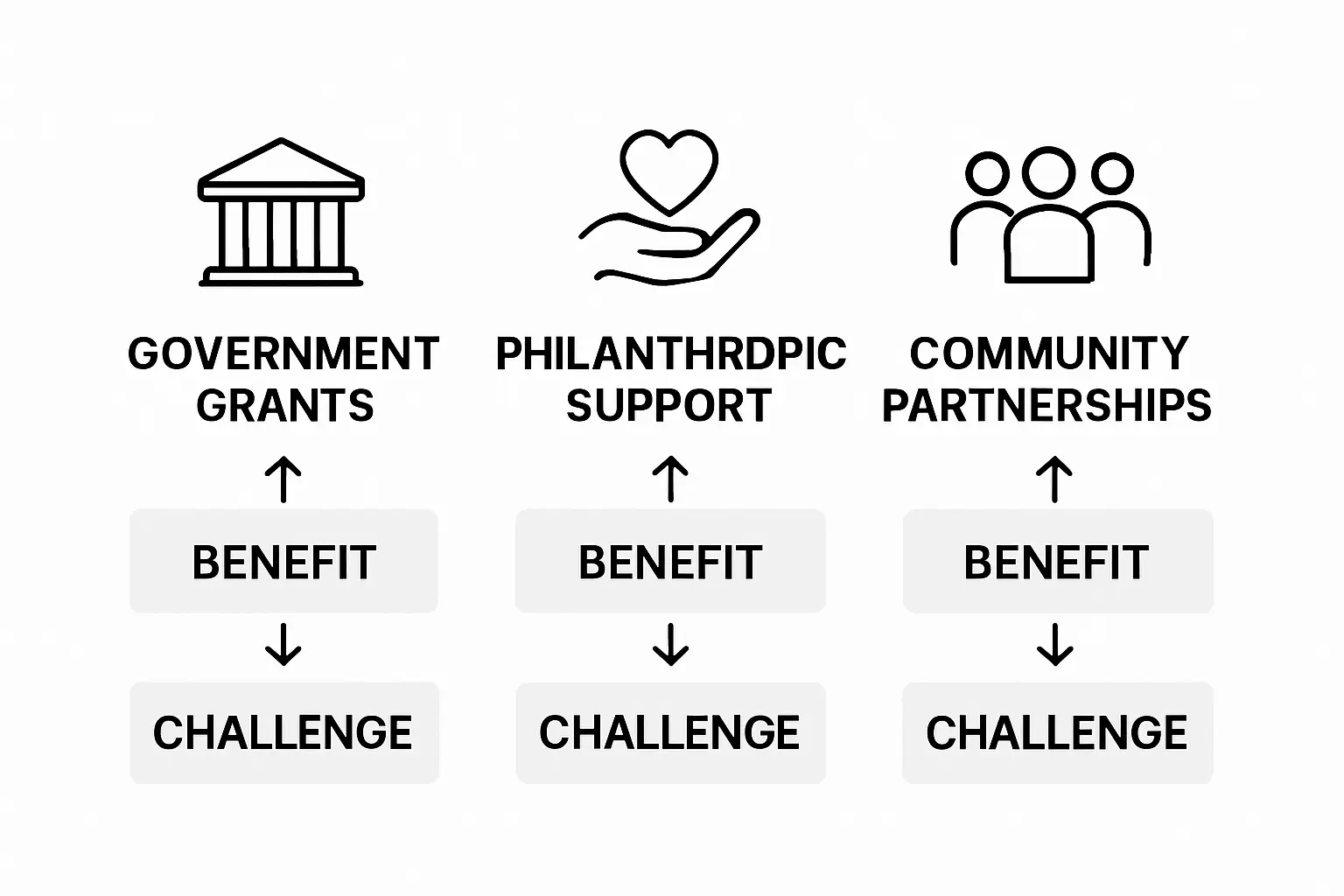
This table compares common funding approaches for school wellness programmes:
| Funding Model | Source | Pros | Potential Challenge |
|---|---|---|---|
| Government Grants | Public sector bodies | Reliable formal support | May be competitive |
| Philanthropic Support | Charitable organisations | Can fund innovation | Often not sustained long-term |
| Institutional Budgets | School or district funds | Direct administrative control | Usually very limited |
| Community Partnerships | Local businesses/groups | Encourages collaboration | Requires ongoing engagement |
Implementation barriers typically emerge from financial constraints, institutional resistance to change, limited staff training, and complex administrative processes. Successful wellness programmes require ongoing investment in professional development, infrastructure modifications, and sustained commitment from educational leadership. Schools must develop adaptive strategies that prioritise student wellbeing while maintaining fiscal responsibility, potentially leveraging technology and community resources to optimise programme delivery and minimise direct expenditure.
Pro Tip - Funding Optimization Strategy: Develop a multi-year financial strategy that includes diverse funding streams, tracks programme outcomes, and demonstrates tangible student health improvements to attract continued institutional and external support.
Empower Your School Wellness Programmes with Streamlined Engagement Solutions
Creating and sustaining impactful school wellness programmes requires addressing complex challenges such as coordinating diverse initiatives, engaging stakeholders, and ensuring smooth communication among parents, educators, and students. This article highlights the importance of integrating physical health, social-emotional learning, mental health support, and legal compliance into holistic strategies that foster student wellbeing and resilience. Schools often face pain points such as managing event logistics for wellness workshops, tracking student participation in programmes, and maintaining transparent communication with families and staff.
Colossus Systems offers a unified SaaS platform designed to simplify these critical tasks for educational organisations. From managing event registrations for wellness activities to personalised communication campaigns that keep your community informed and engaged, our tools help you create a seamless experience that supports your school’s goals around student development and compliance with safeguarding policies. With capabilities like tailored member management, CRM, and secure payment integration, your school can optimise operational efficiency and demonstrate the positive impact of your wellness programmes.
Take the next step in evolving your wellness initiatives with a digital solution built for collaboration and growth. Explore how our platform can enhance your current strategies by contacting us today.

Ready to transform your school’s wellness programme management and engagement? Discover how Colossus Systems can support your journey by reaching out via our Contact Us page. Harness technology to foster healthier, more connected school communities now.
Frequently Asked Questions
What are the key components of school wellness programmes?
School wellness programmes typically incorporate health education, physical activity opportunities, nutrition support, mental health resources, and strategies to foster positive social relationships among students and staff.
How do school wellness initiatives impact student performance?
Wellness initiatives, such as social-emotional learning programmes, have shown to improve academic performance, reduce behavioural issues, and enhance students’ long-term psychological development by fostering skills like resilience and empathy.
What funding models support wellness programmes in schools?
Common funding models include government grants, philanthropic support, institutional budgets, and community partnerships. Each model has its pros and potential challenges, impacting programme sustainability and development.
What are the legal requirements for implementing school wellness programmes?
Legal requirements may include safeguarding policies, student protection protocols, consent mechanisms for health interventions, and confidentiality guidelines, ensuring that wellness programmes prioritise the safety and wellbeing of students.
Recommended
- Complete Guide to Mindfulness in Education | Colossus Systems
- Effective Stress Management for Leaders: Master Your Resilience|CS
- Complete Guide to Youth Leadership Development | Colossus Systems
- Understanding Student Service Learning Projects | Colossus Systems
- Complete Guide to School Staff Health Policies Canada - Probe IT