Event Planning Marketing and Management: Maximising Member Engagement

Managing events for membership organisations often feels like juggling countless moving parts while trying to keep attendees fully engaged. As event research shows, planning and marketing have evolved beyond basic logistics into complex engagement strategies that shape perceptions and participation. This article shares practical approaches for event coordinators looking to create memorable experiences, select the right event formats, and adopt digital tools that simplify administration and foster stronger connections.
Table of Contents
- Defining Event Planning Marketing and Management
- Types of Events for Membership Organisations
- Essential Marketing Strategies for Event Success
- Leveraging Digital Tools for Event Management
- Cost Control, Risks, and Common Pitfalls
Key Takeaways
| Point | Details |
|---|---|
| Comprehensive Event Strategies | Event planning marketing requires an integrated approach that combines organisational objectives with audience engagement and technology utilisation to create impactful experiences. |
| Diverse Event Formats | Different types of events serve varied purposes; selecting the right format is crucial for achieving strategic engagement and communication goals. |
| Advanced Marketing Techniques | Employ sophisticated marketing strategies that focus on audience segmentation, multi-channel promotion, and personalised messaging to enhance event participation. |
| Proactive Risk Management | Develop a robust financial risk management strategy involving detailed budgeting, contingency planning, and continuous monitoring to navigate potential challenges effectively. |
Defining Event Planning Marketing and Management
Event planning marketing and management represents a sophisticated strategic approach designed to create, promote, and execute compelling experiences for membership organisations. Evolution of event research reveals this discipline has transformed significantly from basic operational frameworks to complex engagement strategies.
At its core, event planning marketing encompasses several critical components:
- Strategic communication design
- Targeted audience engagement techniques
- Experiential marketing methodologies
- Performance measurement and analytics
- Relationship building mechanisms
Modern event marketing goes beyond traditional promotional tactics. Event engagement is now viewed as a comprehensive communication strategy that aims to reshape attendees’ perceptions and behavioural patterns. Experiential marketing approaches focus on creating memorable interactions that boost brand loyalty and drive meaningful participation.
Successful event planning marketing requires a holistic understanding of organisational objectives, audience expectations, and technological capabilities. Membership organisations must develop adaptive strategies that integrate digital platforms, personalised communication channels, and data-driven insights to craft truly impactful experiences.
Pro tip: Develop a comprehensive event marketing strategy that aligns closely with your organisation’s core mission and values, ensuring every interaction reinforces your brand’s unique identity.
Types of Events for Membership Organisations
Membership organisations leverage diverse event types to achieve strategic engagement objectives, each designed to serve unique communication and networking purposes. Academic event categorisation reveals multiple sophisticated formats that can effectively connect professionals and drive organisational goals.
The primary types of events for membership organisations include:
- Conferences: Large-scale gatherings featuring keynote speakers, panel discussions, and professional networking opportunities
- Workshops: Interactive sessions focused on skill development and hands-on learning
- Seminars: Specialised educational events with expert-led presentations
- Symposiums: Focused discussions around specific research or industry topics
- Annual General Meetings: Formal gatherings for strategic planning and governance
- Networking Events: Informal social interactions designed to build professional relationships
Types of professional gatherings demonstrate that each event format requires careful strategic planning. Conferences, for instance, typically attract broader audiences and provide comprehensive insights, while workshops offer more intimate, skill-focused experiences. Membership organisations must carefully select event types that align with their specific communication goals, audience preferences, and organisational culture.
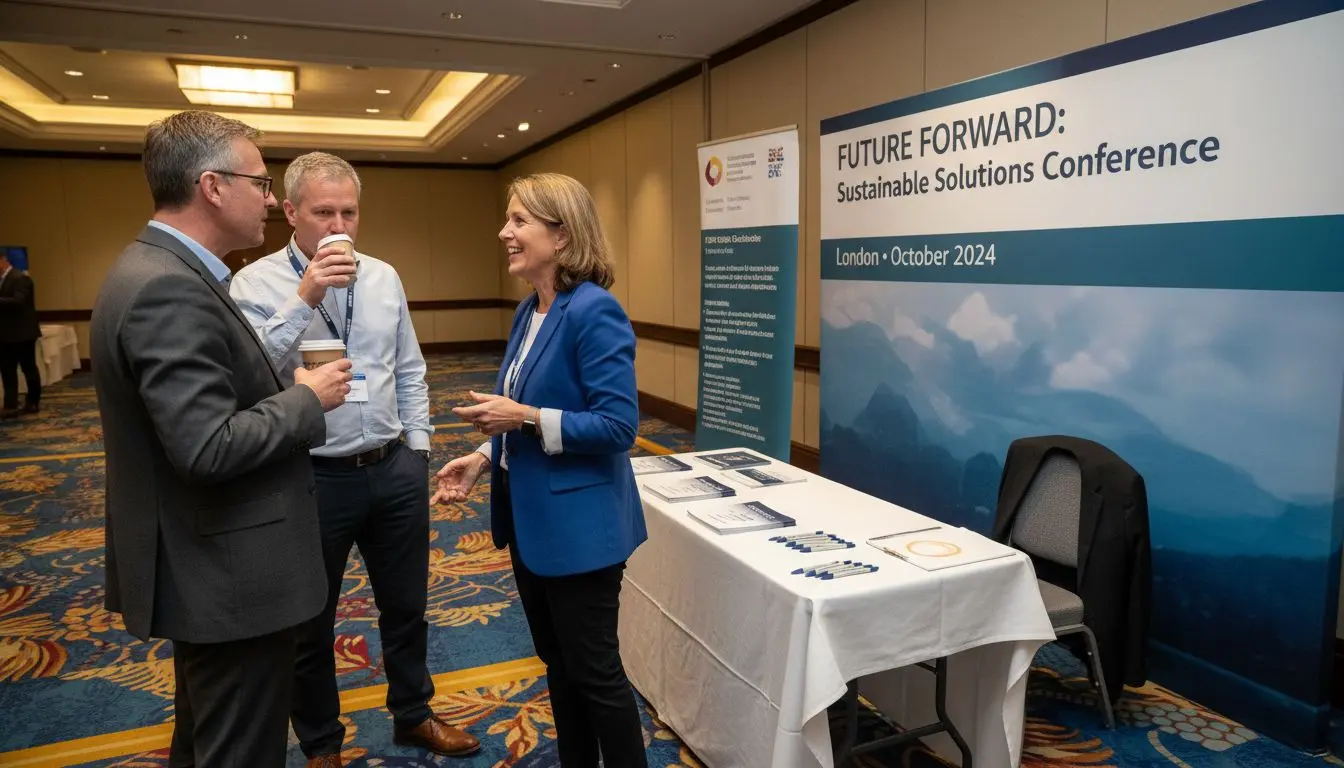
Successful event planning demands a nuanced understanding of audience expectations and organisational objectives. Digital platforms and hybrid event models have expanded traditional event formats, enabling more flexible and accessible engagement strategies that transcend physical limitations.
To highlight the unique purposes and benefits of various event formats, consider this comparison:
| Event Type | Primary Objective | Typical Audience Size | Distinctive Value |
|---|---|---|---|
| Conference | Broad knowledge sharing | Hundreds to thousands | Drives sector-wide collaboration |
| Workshop | Skill acquisition | 20–50 | Practical learning and interaction |
| Seminar | Focused education | 30–100 | Deepens expertise in specific areas |
| Symposium | Specialist discussion | 10–40 | Advanced topic exploration |
| Networking Event | Relationship building | 30–200 | Strengthens professional networks |
| Annual General Meeting | Strategic decision-making | 50–200 | Formal governance and planning |
Pro tip: Design a diverse event portfolio that balances formal knowledge-sharing platforms with interactive networking opportunities to maintain member engagement and organisational vitality.
Essential Marketing Strategies for Event Success
Crafting successful event marketing strategies requires a sophisticated, multi-dimensional approach that goes beyond traditional promotional techniques. Event marketing strategies emphasise the critical importance of understanding audience dynamics and implementing targeted communication tactics.
Key strategic components for effective event marketing include:
- Audience Segmentation: Precisely identifying and categorising target demographic groups
- Multi-Channel Promotion: Leveraging diverse communication platforms
- Personalised Messaging: Developing tailored communication approaches
- Strategic Timing: Implementing well-timed marketing campaigns
- Digital Integration: Utilising advanced technological marketing tools
Comprehensive event marketing approaches highlight the significance of defining clear, measurable objectives. Successful membership organisations must develop sophisticated promotional strategies that combine digital platforms, targeted communication, and data-driven insights to maximise event engagement and participant experience.
Modern event marketing transcends traditional boundaries, requiring organisations to create immersive, interactive experiences that resonate with diverse member preferences. This demands a holistic approach integrating advanced digital technologies, personalised communication strategies, and innovative engagement techniques.
Pro tip: Develop a dynamic marketing strategy that continuously adapts to member feedback and emerging technological trends, ensuring your event promotion remains fresh and compelling.
Leveraging Digital Tools for Event Management
Technological advances in event management have dramatically transformed how membership organisations plan, execute, and evaluate their events. Digital tools now provide unprecedented capabilities for creating more engaging, efficient, and interactive event experiences across multiple platforms.
Key digital tools for modern event management include:
- Registration Platforms: Streamlined online registration and payment systems
- Virtual Networking Tools: Digital platforms enabling remote interactions
- Analytics Dashboards: Real-time performance tracking and audience insights
- Mobile Event Applications: Personalised attendee engagement interfaces
- Artificial Intelligence: Intelligent scheduling and recommendation systems
- Data Integration Technologies: Seamless information synchronisation
Digital technologies in event management demonstrate remarkable potential for transforming traditional event planning approaches. Artificial intelligence and advanced digital platforms now enable organisations to create highly personalised experiences, optimise resource allocation, and generate sophisticated predictive insights about member preferences and engagement patterns.
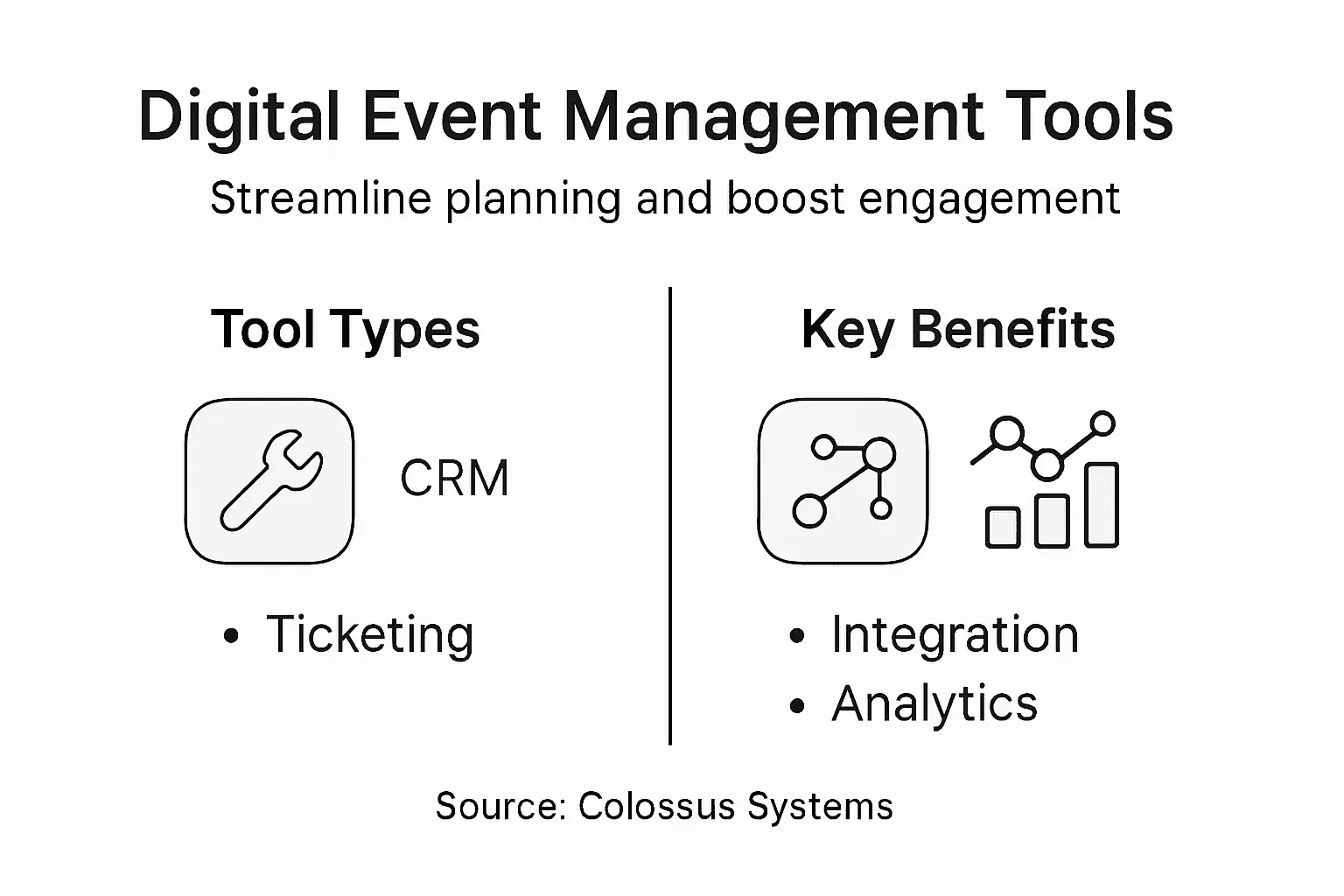
Successful implementation requires a strategic approach that balances technological innovation with human-centred design. Membership organisations must carefully select digital tools that enhance rather than replace meaningful human interactions, ensuring technology serves to amplify connection and engagement.
For a clear summary, here is how common event management tools impact organisational effectiveness:
| Tool Type | Key Function | Business Impact |
|---|---|---|
| Registration Platform | Manages attendee sign-ups | Improves data accuracy, efficiency |
| Virtual Networking Tool | Enables remote interaction | Expands networking reach |
| Analytics Dashboard | Tracks event performance | Supports informed decision-making |
| Mobile Event Application | Personalises attendee access | Boosts engagement and satisfaction |
| Artificial Intelligence | Automates scheduling | Enhances planning flexibility |
| Data Integration Tech | Syncs information | Streamlines operations, reduces error |
Pro tip: Select digital event management tools that offer robust integration capabilities, allowing seamless data flow between different platforms and maximising operational efficiency.
Cost Control, Risks, and Common Pitfalls
Event planning for membership organisations involves complex financial considerations and strategic risk management. Financial risk management strategies demonstrate the critical importance of proactive planning and comprehensive budgeting to ensure sustainable event delivery.
Key areas of financial and operational risk include:
- Budget Overruns: Unexpected expenses exceeding initial projections
- Participant Cancellations: Revenue loss from low attendance
- Technology Failures: Potential disruptions to event infrastructure
- Vendor Contract Risks: Potential non-performance or breach of agreements
- Compliance Challenges: Legal and regulatory requirement violations
- Insurance Inadequacies: Insufficient coverage for potential incidents
Successful risk mitigation requires a multifaceted approach that integrates detailed financial forecasting, robust contingency planning, and flexible resource allocation. Membership organisations must develop sophisticated risk assessment frameworks that anticipate potential challenges and create adaptive strategies to manage financial uncertainties.
Preventing common pitfalls demands continuous monitoring, transparent communication, and a willingness to adjust strategies in response to emerging challenges. Organisations should implement comprehensive risk management protocols that balance financial prudence with strategic flexibility.
Pro tip: Develop a dynamic financial risk management strategy that includes detailed scenario planning, establishing clear financial thresholds, and maintaining flexible contingency reserves.
Elevate Your Membership Engagement with Seamless Event Planning
Mastering event planning marketing and management is crucial to maximise member engagement and drive organisational growth. This article highlights challenges such as managing diverse event types, integrating digital tools, and controlling costs while delivering impactful experiences that resonate with your members. If you seek to transform strategic event planning into measurable success, precise audience segmentation, multi-channel promotion, and real-time analytics are essential to gain a competitive edge.
Colossus Systems empowers membership organisations to tackle these challenges head-on by offering an all-in-one SaaS platform tailored for sophisticated event management and member engagement. Streamline your event registration, boost participation through personalised communication channels, and leverage advanced analytics for continuous improvement. Whether you are organising conferences, workshops or virtual networking sessions, our platform adapts perfectly to your goals while reducing financial risks and operational complexity.
Explore how you can craft dynamic event marketing strategies and integrate cutting-edge digital tools that align with your organisational objectives today. Take your membership experience beyond expectations.
Ready to enhance your event planning and member engagement efficiency with a powerful and flexible management solution Discover more and get personalised support by contacting our team at Colossus Systems. Don’t wait to create memorable experiences that grow your organisation—start now.
Frequently Asked Questions
What is event planning marketing?
Event planning marketing involves creating, promoting, and executing experiences for membership organisations, focusing on strategic communication, audience engagement, and performance analytics.
How can membership organisations measure successful event engagement?
Membership organisations can measure event engagement through performance analytics, feedback surveys, participation rates, and audience interaction during the event.
What types of events are suitable for membership organisations?
Membership organisations usually organise conferences, workshops, seminars, symposiums, annual general meetings, and networking events to achieve strategic engagement objectives.
What are the key components of a successful event marketing strategy?
A successful event marketing strategy includes audience segmentation, multi-channel promotion, personalised messaging, strategic timing, and digital integration. It should be tailored to meet specific organisational goals.