Conflict Resolution in Groups: Strategies for Leaders
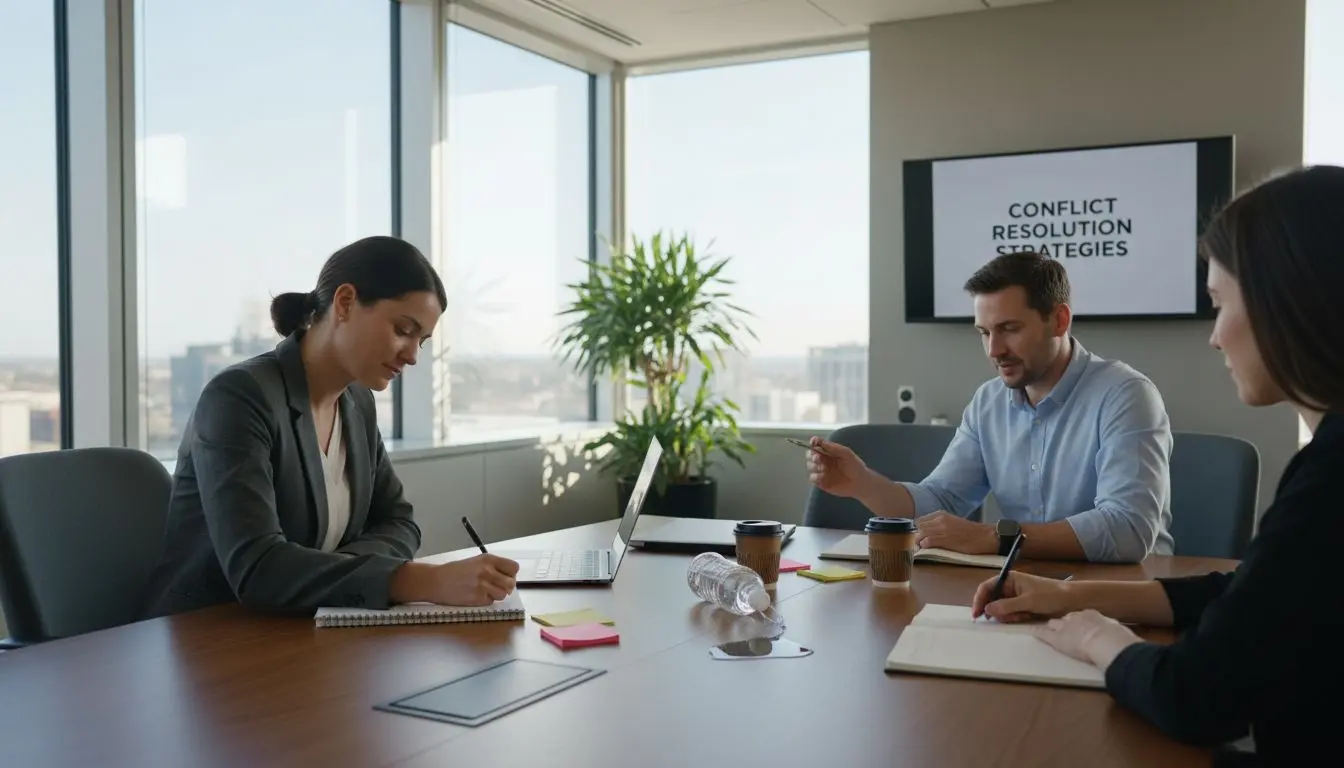
Conflicts within global teams can quickly undermine trust and collaboration if left unmanaged, with over 60 percent of british organisations reporting that unresolved disputes impact member engagement. For leadership staff, especially those guiding diverse membership groups, developing effective strategies is vital to nurturing an environment where differing perspectives spark innovation rather than friction. This guide explains how understanding conflict resolution tools and roles can help turn potential challenges into opportunities for stronger engagement and improved teamwork.
Table of Contents
- Defining Conflict Resolution In Group Settings
- Types Of Group Conflict And Key Triggers
- Effective Conflict Resolution Strategies And Tools
- Roles And Responsibilities In Resolving Disputes
- Common Mistakes And How To Avoid Them
Key Takeaways
| Point | Details |
|---|---|
| Understanding Conflict is Essential | Recognising that conflict can be a natural outcome of diverse perspectives allows leaders to approach it constructively. |
| Develop Diagnostic Skills | Leaders should identify specific conflict types and their root causes to tailor effective resolution strategies. |
| Foster a Safe Communication Environment | Creating a space for open dialogue helps team members voice concerns and collaboratively resolve issues. |
| Avoid Common Pitfalls | Leaders must cultivate emotional intelligence and avoid premature judgments to effectively address conflicts and foster team cohesion. |
Defining Conflict Resolution in Group Settings
Conflict resolution represents a structured approach to addressing and managing disagreements within organisational settings. Understanding the nuanced dynamics of interpersonal friction requires recognising that conflict is not inherently negative, but rather a natural outcome of diverse perspectives and competing objectives. Organisational psychology views conflict as a dynamic process that demands strategic intervention and thoughtful management.
At its core, conflict resolution involves identifying underlying tensions, facilitating communication, and developing collaborative strategies that transform potential confrontations into opportunities for growth and mutual understanding. The Carnegie perspective highlights that conflicts emerge when individuals or groups possess differing goals, creating friction in decision-making processes. This perspective emphasises the importance of decentralising information and forming strategic coalitions to mitigate potential disputes.
Effective conflict resolution strategies typically encompass several key elements: active listening, empathy, clear communication, negotiation skills, and a commitment to finding mutually beneficial solutions. Leaders must develop the capacity to recognise early warning signs of potential conflicts, understand the root causes of disagreements, and proactively design interventions that promote constructive dialogue and shared understanding.
Pro tip: Practice active listening by paraphrasing team members’ perspectives to demonstrate genuine understanding and create an environment of psychological safety.
Types of Group Conflict and Key Triggers
Group conflicts emerge through multiple distinctive typologies, each representing unique challenges for organisational leaders. Conflict research identifies three primary conflict categories: task conflicts, relationship conflicts, and process conflicts. Task conflicts arise from substantive disagreements about project objectives, work assignments, or resource allocation. Relationship conflicts stem from emotional tensions, personal incompatibilities, and interpersonal frictions that can significantly undermine team dynamics and collaborative effectiveness.

The triggers for these conflict types are multifaceted and complex. Cultural differences, communication style variations, scarce resource competition, and divergent professional backgrounds can create friction within teams. Research highlights eight critical domains that precipitate conflicts, including leadership style mismatches, trust deficits, communication breakdowns, and unclear decision-making processes. Understanding these nuanced triggers enables leaders to develop targeted interventions that address the root causes of organisational tension.
Recognising the specific nature of each conflict type requires leaders to develop sophisticated diagnostic skills. Process conflicts, which centre on disagreements about workflow, task delegation, and procedural approaches, demand particularly careful navigation. By mapping the underlying dynamics of conflicts and understanding their potential origins, leaders can transform potentially destructive interactions into opportunities for organisational learning and improved team cohesion.
Here’s a summary of the key types of group conflict and their typical organisational impacts:
| Conflict Type | Main Characteristics | Common Triggers | Impact on Teams |
|---|---|---|---|
| Task Conflict | Disagreement over goals and tasks | Resource allocation, unclear priorities | Can promote innovation if managed well |
| Relationship Conflict | Emotional tensions, personal incompatibilities | Trust deficits, cultural differences | Reduces cooperation and team morale |
| Process Conflict | Disputes about procedures or roles | Workflow ambiguity, delegation issues | Slows progress and diminishes efficiency |
Pro tip: Conduct periodic team communication audits to proactively identify potential conflict triggers before they escalate into more significant organisational challenges.
Effective Conflict Resolution Strategies and Tools
Leaders seeking to navigate organisational conflicts must develop a comprehensive toolkit of sophisticated resolution strategies. Practical conflict resolution techniques encompass multiple approaches, including negotiation, mediation, and structured dialogue facilitation. Emotional intelligence emerges as a critical foundation, enabling leaders to understand and address the underlying dynamics of interpersonal tensions.
Effective conflict resolution requires a multifaceted approach that integrates several key skills. These include active listening, which allows team members to feel genuinely heard, constructive feedback mechanisms that promote transparent communication, and cultural intelligence that helps navigate diverse perspectives. Leaders must develop the capacity to create cooperative environments where disagreements are viewed as opportunities for growth rather than destructive encounters. Techniques such as problem-solving workshops, collaborative decision-making processes, and structured mediation can transform potential conflict zones into platforms for innovative thinking.
The most successful conflict resolution strategies are those tailored to specific organisational contexts. This demands leaders develop nuanced diagnostic skills to identify conflict root causes, understand stakeholder perspectives, and design targeted interventions. By employing empathetic understanding, fostering trust-building mechanisms, and creating safe spaces for open dialogue, leaders can systematically deconstruct barriers and rebuild collaborative relationships. The goal is not merely to suppress conflict, but to channel disagreements into constructive organisational learning and enhanced team cohesion.
Pro tip: Implement a quarterly team communication audit to proactively identify and address potential conflict triggers before they escalate into significant organisational challenges.
Roles and Responsibilities in Resolving Disputes
Group conflict resolution requires a sophisticated understanding of specific roles and responsibilities for both leaders and team members. Organizational conflict management establishes clear expectations for each participant in the dispute resolution process. Leaders bear primary responsibility for establishing conflict resolution norms, providing impartial mediation, and creating environments conducive to constructive dialogue. Their role extends beyond mere intervention to proactively setting communication standards that prevent potential conflicts from escalating.
Team members also carry critical responsibilities in the conflict resolution process. These include practicing active listening, communicating transparently, and demonstrating a genuine commitment to collaborative problem-solving. Each individual must approach disputes with emotional intelligence, respecting diverse perspectives and focusing on shared organisational goals. Sophisticated teams develop internal mechanisms for addressing disagreements, such as rotating mediation roles or establishing peer-review processes that distribute conflict resolution responsibilities across the group.
Some organisations further formalise conflict resolution by designating specific roles such as dedicated conflict managers or ombudspersons. These professionals are trained to provide neutral, confidential support in navigating complex interpersonal dynamics. They serve as crucial resources for implementing structured resolution processes, ensuring accountability, and maintaining an objective perspective when internal tensions threaten team cohesion. By institutionalising these roles, organisations demonstrate a commitment to constructive conflict management and continuous improvement.

The following table outlines typical roles in conflict resolution and their organisational value:
| Role | Primary Responsibilities | Organisational Value |
|---|---|---|
| Leader | Set norms, mediate, promote dialogue | Builds trust and proactive culture |
| Team Member | Active listening, transparent communication | Encourages collaboration and diverse viewpoints |
| Ombudsperson | Neutral support, structured mediation | Maintains objectivity in tough disputes |
Pro tip: Develop a clear, written conflict resolution protocol that outlines specific roles, communication expectations, and escalation procedures for your team.
Common Mistakes and How to Avoid Them
Conflict resolution techniques often fail due to predictable human errors that escalate tensions rather than resolve them. Premature judgment stands as one of the most significant pitfalls, where leaders or team members rush to conclusions without fully understanding the underlying dynamics. This approach typically results in superficial solutions that do not address the fundamental issues driving the conflict, potentially creating longer-term interpersonal challenges within the group.
Another critical mistake involves neglecting the emotional landscape of conflicts. Many leaders focus exclusively on factual disputes, overlooking the crucial psychological dimensions that fuel disagreements. This approach disregards the complex human elements of trust, perception, and personal history that significantly influence group interactions. Power imbalances, unacknowledged perspectives, and poor communication strategies can transform minor disagreements into deeply entrenched organisational conflicts.
Successful conflict resolution demands a sophisticated, multifaceted approach that goes beyond simple problem-solving techniques. Leaders must cultivate emotional intelligence, create safe spaces for genuine dialogue, and develop nuanced intervention strategies that respect individual perspectives while maintaining organisational cohesion. This requires active listening, transparent communication, and a commitment to understanding the systemic factors that contribute to group tensions. By recognising and addressing these complex dynamics, organisations can transform potential conflict zones into opportunities for learning, growth, and improved team collaboration.
Pro tip: Conduct a comprehensive conflict audit annually to identify recurring patterns and proactively develop targeted intervention strategies for your organisation.
Strengthen Your Team Dynamics with Seamless Organisational Solutions
Conflict resolution in groups requires clear communication, active listening, and structured processes to transform disagreements into growth opportunities. Many leaders struggle with recognising early warning signs, managing diverse perspectives, and fostering an environment where task, relationship, and process conflicts are resolved constructively. Colossus Systems understands these challenges and offers a comprehensive platform designed to support membership-based organisations in streamlining communication, managing events, and enhancing member engagement—all critical elements for reducing friction and building cohesive teams.

Empower your organisation to overcome common conflict triggers such as unclear decision-making and workflow ambiguity with tools that simplify collaboration and enhance transparency. Discover how our customisable CRM and communication channels can help you set clear expectations, monitor member interactions, and cultivate trust within your team. Take the first step toward turning conflicts into opportunities for continuous improvement by connecting with our experts at Colossus Systems. Learn more about how to elevate your organisation’s conflict management strategies by visiting Contact Us today.
Frequently Asked Questions
What are the types of conflict in group settings?
Group conflicts can generally be categorised into three types: task conflicts, which involve disagreements over goals and project objectives; relationship conflicts, stemming from emotional tensions and personal incompatibilities; and process conflicts, which revolve around disputes about procedures and workflow.
How can leaders effectively manage conflicts in their teams?
Leaders can manage conflicts effectively by employing strategies such as active listening, fostering open communication, and using mediation techniques. They should develop emotional intelligence to understand interpersonal dynamics and create a supportive environment for dialogue.
What are common triggers for conflict in groups?
Common triggers of conflict include cultural differences, mismatched leadership styles, communication breakdowns, competition for scarce resources, and unclear decision-making processes. Recognising these triggers can help leaders implement proactive measures to avoid escalation.
What mistakes should leaders avoid in conflict resolution?
Leaders should avoid premature judgment, which can lead to superficial solutions, and neglecting the emotional aspects of conflicts. Focusing only on factual disagreements while disregarding psychological dynamics can worsen interpersonal tensions. Effective conflict resolution requires a comprehensive understanding of both the factual and emotional dimensions of conflicts.
Recommended
- 7 Essential Conflict Resolution Techniques for Organizations|CS
- Master Conflict Management Skills for Team Success|CS
- How to Manage Conflict for Membership Success | Colossus Systems
- 7 Essential Leadership Skills for Students to Develop|CS
- Kritik till kreativitet – ledare skapar innovation | Standup sverige
- 7 Effective Team Building Activities Online for Success - seo analytic