7 Powerful Community Building Ideas for Member Organisations
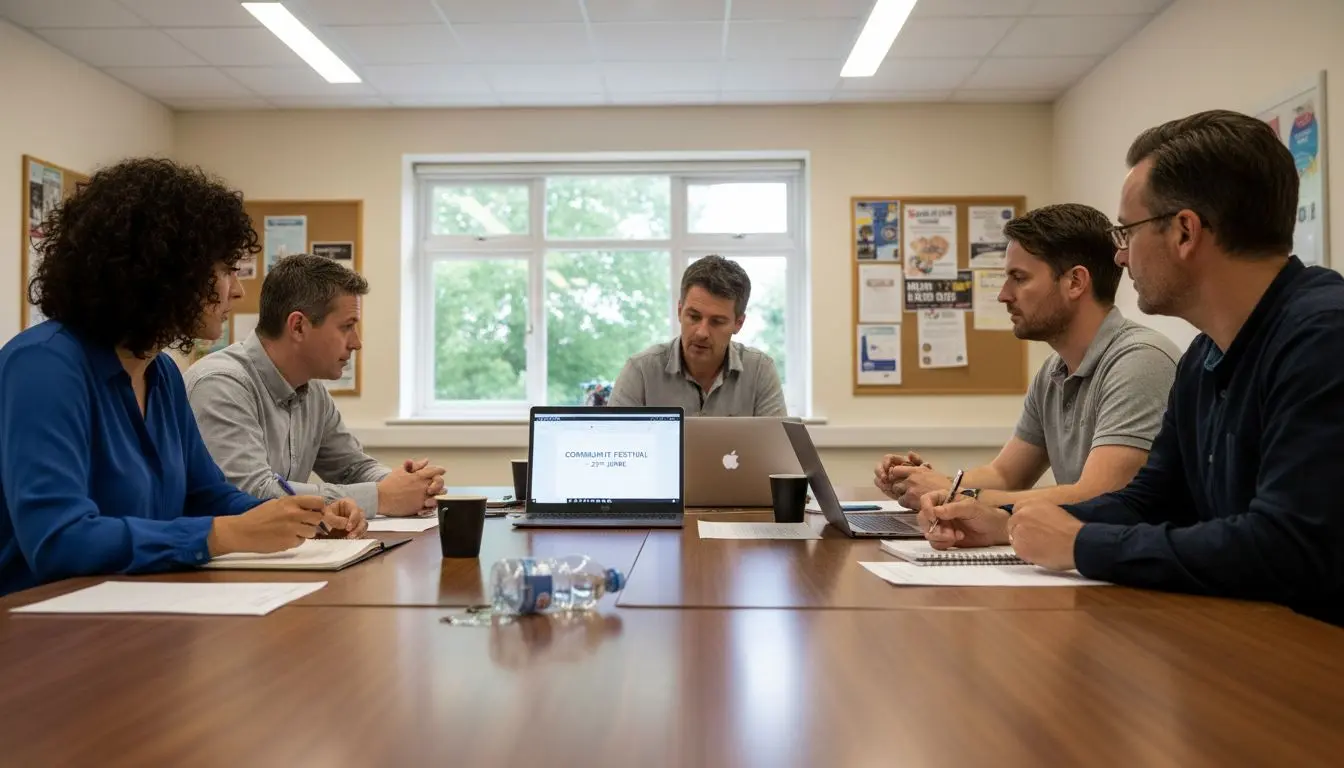
British membership organisations are facing a turning point as over 60 percent report rising pressure to connect with members in more meaningful ways. In an era where digital communication shapes nearly every interaction, fostering genuine engagement has never mattered more. Whether through virtual events, peer networking portals, or targeted campaigns, this guide uncovers proven strategies that help British organisations create lasting connections and deliver true value to their members.
Table of Contents
- Leverage Virtual Events To Foster Engagement
- Create Member Portals For Peer Networking
- Use Targeted Email Campaigns To Connect
- Host Skill-Building Online Workshops
- Build Interactive Discussion Forums
- Establish Recognition And Reward Programmes
- Integrate Feedback Loops For Continuous Improvement
Quick Summary
| Key Insight | Explanation |
|---|---|
| 1. Design Engaging Virtual Events | Create digital experiences that encourage active participation, using tools like live polling and breakout discussions to enhance interaction. |
| 2. Develop Effective Member Portals | Establish platforms with interactive features like forums, messaging, and resource libraries to foster peer networking and community growth. |
| 3. Implement Targeted Email Campaigns | Use segmented lists to send personalised, relevant communications that resonate with members’ interests for improved engagement. |
| 4. Host Interactive Online Workshops | Focus on practical skills and emerging trends with engaging formats that encourage immediate application of learned skills. |
| 5. Create Feedback Loops for Improvement | Develop multiple feedback channels to ensure members can express their views, facilitating ongoing enhancements to services and engagement. |
1. Leverage Virtual Events to Foster Engagement
Virtual events have transformed how membership organisations connect and engage with their communities, creating powerful opportunities for meaningful interaction beyond traditional in-person gatherings. By strategically designing digital experiences, organisations can build stronger connections and maintain vibrant member relationships.
The key to successful virtual events lies in understanding participant experience. Research from the Brookings Institution highlights the critical importance of recognising participants’ time and contributions during online interactions. This means crafting experiences that are not just informative, but genuinely engaging and respectful of attendees’ involvement.
Successful virtual events require thoughtful planning and interactive design. Consider incorporating elements like live polling, breakout discussion rooms, Q&A sessions, and collaborative workshops that encourage active participation. These strategies transform passive viewing into dynamic, two-way communication where members feel genuinely heard and valued.
Technology plays a crucial role in creating immersive virtual experiences. Modern platforms offer features like real-time chat, networking lounges, and interactive presentation tools that can replicate the spontaneity of in-person interactions. By leveraging these capabilities, membership organisations can create digital spaces that feel personal and connected.
Implementing virtual events also provides significant benefits beyond immediate engagement. They eliminate geographical barriers, reduce travel costs, and enable more frequent, accessible interactions. Members from diverse locations can participate without logistical challenges, expanding your organisation’s reach and inclusivity.
Pro tip: Design your virtual events with clear, concise objectives and build in multiple interaction points to maintain participant attention and encourage meaningful dialogue throughout the session.
2. Create Member Portals for Peer Networking
Member portals represent a transformative approach to building connected, engaged communities within organisations. These digital platforms serve as virtual gathering spaces where members can interact, share knowledge, and develop meaningful professional relationships.
The power of member portals lies in their ability to break down geographical barriers and create sustained interaction. Much like the academic networking platforms such as ResearchGate, which enable researchers to collaborate globally, organisational member portals can facilitate dynamic peer connections beyond traditional networking limitations.
Key Features of Effective Member Portals
Successful member portals incorporate several essential elements to drive engagement. These include personalised user profiles, discussion forums, resource libraries, messaging capabilities, and event calendars. By providing multiple interaction channels, organisations create environments that feel both professional and supportive.
Member portals also offer significant strategic advantages. They provide valuable data insights about member interests, interaction patterns, and engagement levels. This information helps organisations tailor their services, develop targeted content, and understand their community’s evolving needs more comprehensively.
Implementing a robust member portal requires thoughtful design and ongoing management. Consider creating segmented spaces for different professional interests, facilitating mentor matching programmes, and developing interactive learning resources that encourage continuous participation.
Engagement Strategies
To maximise portal effectiveness, organisations should actively moderate discussions, highlight member achievements, and regularly introduce fresh content. Gamification elements like achievement badges, contribution rankings, and collaborative project spaces can further motivate member participation.
The most successful member portals feel less like technological platforms and more like living, breathing communities where professionals genuinely want to connect and grow together.
Expert Advice: Design your member portal with clear community guidelines, intuitive navigation, and multiple engagement pathways to ensure members feel welcomed, valued, and motivated to participate actively.
3. Use Targeted Email Campaigns to Connect
Targeted email campaigns represent a sophisticated approach to member communication that goes far beyond traditional broadcasting. These strategic communications allow organisations to create personalised, meaningful connections with their members by delivering precisely relevant content to specific audience segments.
Research from the Brookings Institution highlights the critical importance of recognising members’ individual contributions and interests, which targeted email campaigns can achieve with remarkable precision. By segmenting email lists and crafting tailored messaging, organisations can dramatically improve member engagement and perceived value.
Segmentation Strategies
Successful targeted email campaigns rely on sophisticated member data analysis. Consider segmenting your audience based on factors such as professional interests, membership duration, engagement level, previous event participation, and career stage. This granular approach ensures that each member receives communications that feel personally curated and directly relevant to their professional journey.
Personalisation Techniques
Modern email marketing transcends generic mass communications. Implement dynamic content that adapts based on member profiles, use personalised subject lines, and incorporate member names and specific interests. Automated drip campaigns can nurture member relationships by sending contextually appropriate content at strategic intervals.
Engagement Measurement
Track key performance metrics like open rates, click through rates, and member response to understand the effectiveness of your email strategies. These insights allow continuous refinement of your communication approach, ensuring that your targeted campaigns become increasingly precise and impactful over time.
Content Considerations
Develop email content that provides genuine value. This might include exclusive industry insights, member spotlight features, professional development opportunities, early event registration, or specialised research summaries that demonstrate your organisation’s commitment to member growth.
Expert Recommendation: Design email campaigns with a clear value proposition, ensuring each communication provides meaningful insights or opportunities that make members feel their time and attention are genuinely respected.
4. Host Skill-Building Online Workshops
Online workshops have emerged as a powerful mechanism for professional development, offering membership organisations a dynamic platform to deliver targeted skill enhancement and foster continuous learning among their members.
Much like academic conferences that provide skill development opportunities, online workshops can create immersive learning experiences that transcend geographical limitations and traditional training constraints.
Workshop Design Principles
Effective online workshops are meticulously crafted to address specific professional competencies. They should incorporate interactive elements such as live demonstrations, practical exercises, collaborative breakout sessions, and real world case studies that enable participants to immediately apply learned skills.
Technology and Engagement
Modern online workshop platforms offer sophisticated features that transform passive learning into active participation. Utilise tools that support live polling, interactive Q&A sessions, screen sharing, collaborative whiteboards, and instant feedback mechanisms. These technologies create engaging environments where members feel connected and motivated to learn.
Content Strategies
Develop workshop content that is both immediately applicable and forward looking. Focus on emerging industry trends, practical skill sets, and competencies that members can directly implement in their professional contexts. Consider inviting expert practitioners or thought leaders as guest facilitators to provide diverse perspectives and enhance workshop credibility.
Accessibility and Inclusivity
Design workshops with diverse learning styles in mind. Provide multiple content formats including video tutorials, downloadable resources, live demonstrations, and asynchronous learning materials. Ensure workshop timing accommodates different time zones and offer recordings for members who cannot attend live sessions.
Measurement and Improvement
Implement robust feedback mechanisms to continuously refine your workshop offerings. Track participant engagement metrics, collect detailed post workshop surveys, and analyse skill progression to demonstrate tangible value and drive ongoing member participation.
Expert Recommendation: Structure your online workshops with clear learning objectives, interactive elements, and practical application opportunities to transform passive learning into meaningful skill development.
5. Build Interactive Discussion Forums
Discussion forums represent a critical digital infrastructure for membership organisations, providing a dedicated space where members can exchange ideas, seek advice, and build meaningful professional connections beyond traditional communication channels.
Platforms like the CUNY Academic Commons demonstrate the transformative potential of interactive discussion forums in creating vibrant, collaborative digital communities that transcend geographical limitations.
Forum Design Principles
Successful discussion forums require thoughtful architecture that encourages genuine interaction. Create dedicated topic channels that align with your organisation’s professional domains, ensuring members can easily navigate and contribute to conversations most relevant to their interests and expertise.
Moderation Strategies
Effective forum management involves proactive moderation that maintains a respectful, constructive environment. Establish clear community guidelines, implement transparent moderation policies, and designate experienced members as community facilitators who can guide discussions and welcome new participants.
Engagement Techniques
Encourage member participation through structured interaction methods. This might include weekly discussion prompts, expert Q&A sessions, member spotlight features, and recognition programmes that highlight valuable contributions. Gamification elements like reputation points or achievement badges can further motivate consistent engagement.
Technical Considerations
Invest in robust forum technology that supports seamless user experience. Key features should include intuitive search functionality, user profile customisation, mobile responsiveness, notification systems, and integration with other organisational communication platforms.
Knowledge Management
View your discussion forum as a dynamic knowledge repository. Implement tagging systems, archive important discussions, and periodically curate top insights to create lasting value for members. This approach transforms ephemeral conversations into a sustained organisational knowledge base.
Expert Recommendation: Design your discussion forums with clear purpose, structured interaction pathways, and a welcoming culture that empowers members to share, learn, and connect authentically.
6. Establish Recognition and Reward Programmes
Recognition and reward programmes represent a strategic approach to member engagement, transforming transactional interactions into meaningful, emotionally resonant experiences that motivate continued participation and commitment.
Drawing insights from the Brookings Institution’s research on acknowledging participant contributions, effective recognition strategies go far beyond simple acknowledgement and create genuine value for members.
Programme Design Principles
Successful recognition programmes are multifaceted, offering diverse methods of appreciation that cater to different motivational profiles. Consider developing tiered recognition systems that celebrate members through various mechanisms professional certificates, digital badges, exclusive networking opportunities, speaking platforms, and leadership pathway introductions.
Motivation and Psychology
Understanding psychological drivers is crucial when designing reward structures. Members seek validation that transcends monetary compensation. They want meaningful acknowledgement of their expertise, contributions, and potential. Recognition programmes that tap into intrinsic motivations professional growth, peer respect, and organisational impact will generate deeper engagement.
Tangible and Intangible Rewards
Craft a balanced approach integrating both tangible and intangible rewards. Tangible rewards might include conference registration discounts, publication opportunities, or professional development credits. Intangible rewards focus on visibility, such as member spotlights, recommendation opportunities, and platform for sharing professional insights.
Transparent Evaluation Criteria
Develop clear, transparent criteria for recognition to ensure fairness and maintain programme credibility. Establish measurable metrics that could include volunteer hours, community contributions, knowledge sharing, mentorship, and active participation in organisational initiatives.
Technology and Tracking
Leverage technology platforms that can systematically track, validate, and showcase member achievements. Implement digital badging systems, automated recognition workflows, and public acknowledgement mechanisms that make member contributions visible and celebrated.
Expert Recommendation: Design recognition programmes that are personalised, meaningful, and aligned with your members professional aspirations, ensuring each acknowledgement feels genuinely earned and valuable.
7. Integrate Feedback Loops for Continuous Improvement
Feedback loops represent a dynamic mechanism for organisations to evolve, adapt, and consistently align their services with members’ changing expectations and professional needs.
As highlighted by the Brookings Institution, integrating robust feedback mechanisms is crucial for understanding and responding to participant experiences across various organisational initiatives.
Comprehensive Feedback Architecture
Effective feedback systems go beyond simple surveys. They create multiple touchpoints that capture nuanced insights through diverse collection methods. This might include post event questionnaires, real time polling, focus group discussions, one on one interviews, and digital suggestion platforms that provide members multiple channels to share their perspectives.
Psychological Safety
Designing feedback mechanisms requires creating an environment of psychological safety where members feel genuinely comfortable sharing candid observations. Emphasise anonymity options, demonstrate historical instances where member feedback triggered meaningful changes, and communicate a transparent commitment to continuous improvement.
Actionable Insight Generation
Transform collected feedback from passive data into actionable strategic intelligence. Implement systematic analysis processes that categorise feedback, identify recurring themes, quantify sentiment, and develop clear implementation roadmaps that demonstrate how member input directly influences organisational strategy.
Technology and Analytics
Leverage advanced technological tools that can aggregate, analyse, and visualise feedback data. Modern platforms offer sentiment analysis, trend tracking, and predictive modelling capabilities that help organisations move beyond reactive approaches to proactive member experience design.
Cultural Implementation
Embedding a feedback driven culture requires more than technological infrastructure. Train leadership and staff to view member input as a valuable strategic asset. Celebrate instances where member suggestions led to meaningful improvements and create transparent communication channels that showcase the tangible impact of member contributions.
Expert Recommendation: Design feedback mechanisms that are accessible, inclusive, and demonstrate a genuine organisational commitment to listening, learning, and evolving based on member insights.
Below is a comprehensive table summarising the main strategies for member engagement and community building as discussed throughout the article.
| Strategy | Implementation | Expected Results |
|---|---|---|
| Leverage Virtual Events | Design experiences with interactive elements like live polling and Q&A; utilise modern tech for immersion. | Stronger connections, broader reach, cost savings. |
| Member Portals | Create platforms with user profiles, forums, and resources; strategise to foster peer networking. | Sustained member interaction, data insights, tailored services. |
| Targeted Email Campaigns | Segment audiences; use personalisation techniques to craft precise messaging. | Enhanced engagement, valued communication, increased response rates. |
| Online Workshops | Incorporate interactive tools for real-time learning; focus on relevant skills. | Skill development, accessible learning, strengthened community expertise. |
| Discussion Forums | Establish engaging structures with clear guidelines; use gamification. | Increased member interaction, knowledge repository creation. |
| Recognition Programmes | Develop multifaceted appreciation systems; consider both tangible and intangible rewards. | Member motivation, enhanced loyalty, increased participation. |
| Feedback Loops | Implement diverse feedback channels; promote psychological safety. | Continuous improvement, responsive strategies, higher member satisfaction. |
Elevate Your Membership Engagement with Tailored Digital Solutions
Building a vibrant and connected membership community involves overcoming challenges like sustaining active engagement, creating meaningful interactions, and managing diverse organisational needs. This article highlights essential strategies such as virtual events, member portals, targeted email campaigns, and recognition programmes — all requiring seamless coordination and customised technology to truly succeed. Are you finding it difficult to integrate these ideas into your current systems or to maintain consistent member interaction across multiple channels
Discover how Colossus Systems can help you harness the power of unified engagement and management tools designed specifically for membership organisations. Our platform simplifies event planning, virtual training, CRM, and personalised communications so you can focus on what matters most — growing your community and deepening member loyalty. Take control of your member portals, launch interactive workshops, and implement targeted email campaigns with ease. Don’t let fragmented tools hold your organisation back. Connect with us today and start transforming your member experience into an impactful, scalable success. Explore our solutions and get in touch via Contact Us to begin your organisation’s growth journey.
Frequently Asked Questions
What are some effective ways to engage members during virtual events?
To engage members during virtual events, incorporate interactive elements like live polling, breakout discussions, and Q&A sessions. This encourages active participation and makes attendees feel valued.
How can a member portal enhance networking within an organisation?
A member portal enhances networking by providing personalised profiles, discussion forums, and messaging capabilities. These features enable members to connect and share knowledge with one another more effectively.
What strategies can I use to create targeted email campaigns for my members?
To create targeted email campaigns, segment your audience based on professional interests and engagement levels. Develop personalised content that addresses their specific needs, thereby increasing engagement and relevance.
How do I design online workshops that effectively build skills for members?
Design online workshops by focusing on specific competencies and incorporating interactive elements like live demonstrations and collaborative exercises. Ensure the content is immediately applicable, helping members to implement new skills in their professional contexts.
What should I consider when establishing recognition programmes for members?
When establishing recognition programmes, consider offering varied forms of appreciation, such as professional certificates and digital badges. Develop transparent criteria for recognition to ensure fairness and maintain program credibility.
How can I solicit feedback from members for continuous improvement?
To solicit feedback effectively, create multiple channels such as surveys, real-time polls, and focus group discussions. Ensure members feel comfortable sharing their thoughts by emphasising anonymity and showcasing how their feedback has led to meaningful changes.